Towards a new chapter of cooperation between Paris 1 Panthéon-Sorbonne University and Euromed University of Fes
Towards a new chapter of cooperation between Paris 1 Panthéon-Sorbonne University and Euromed University of Fes
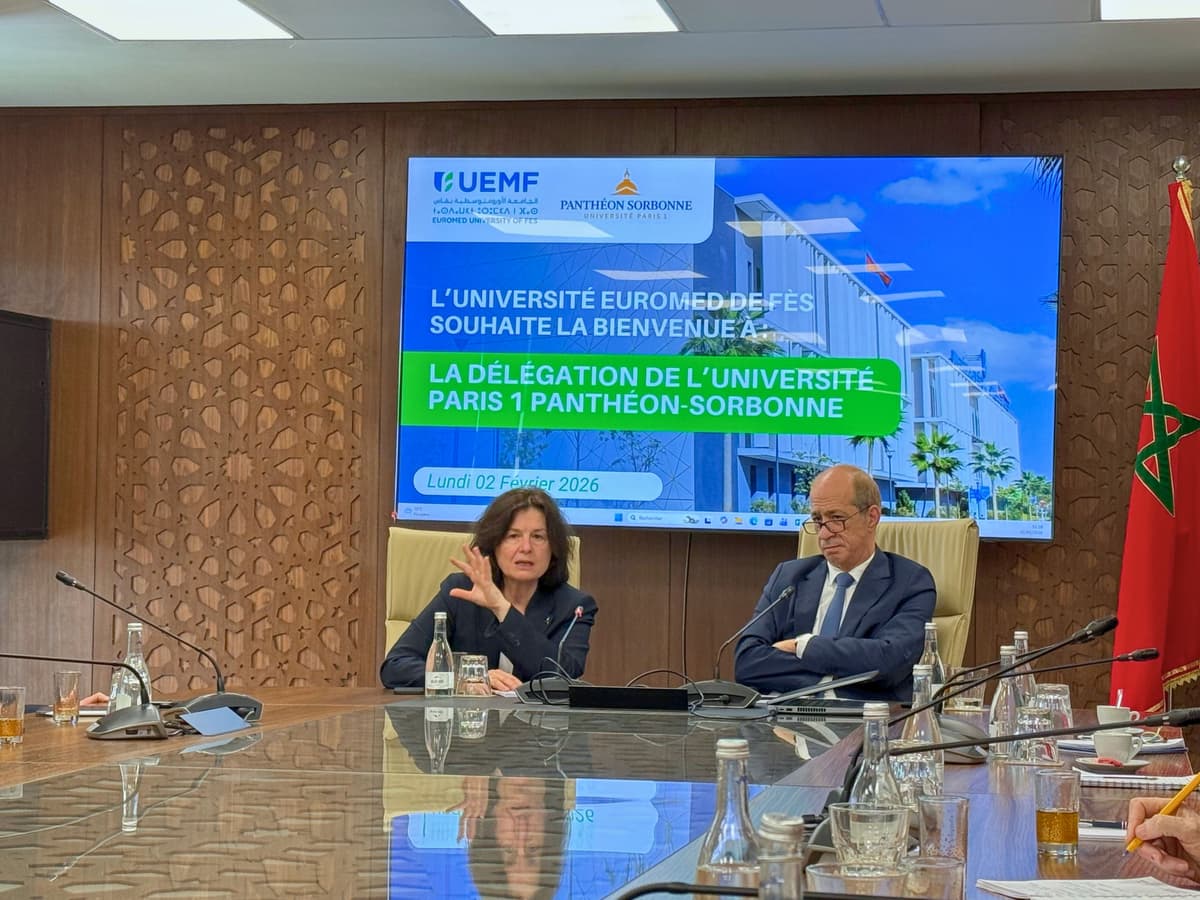
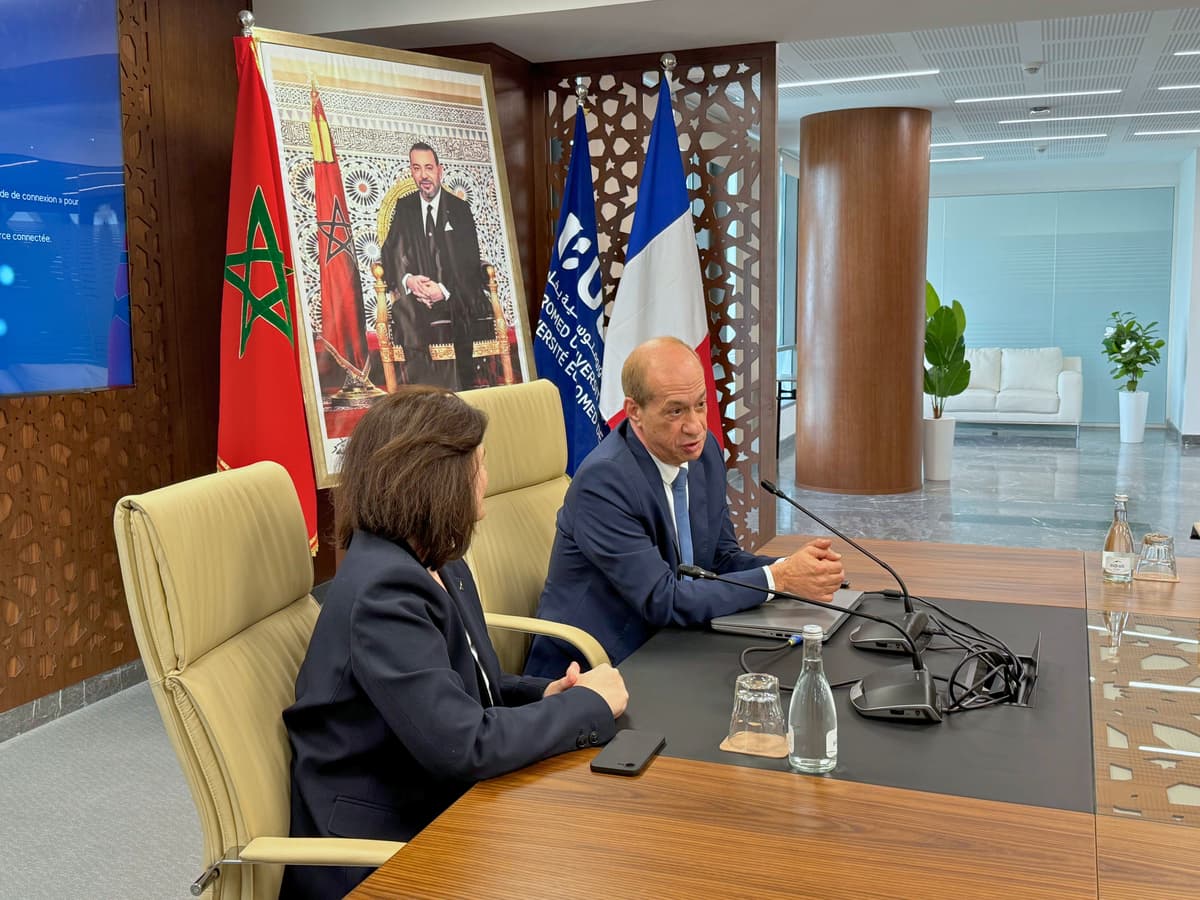
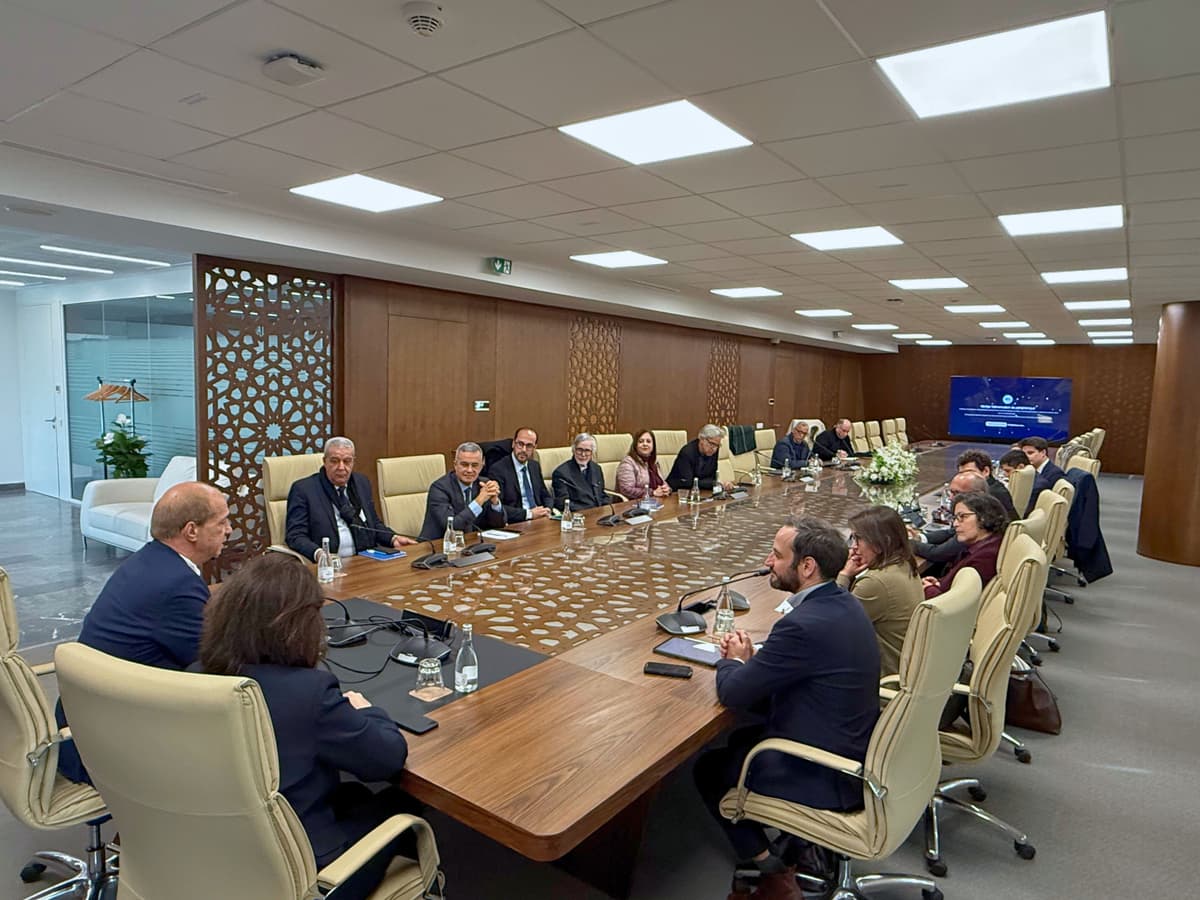
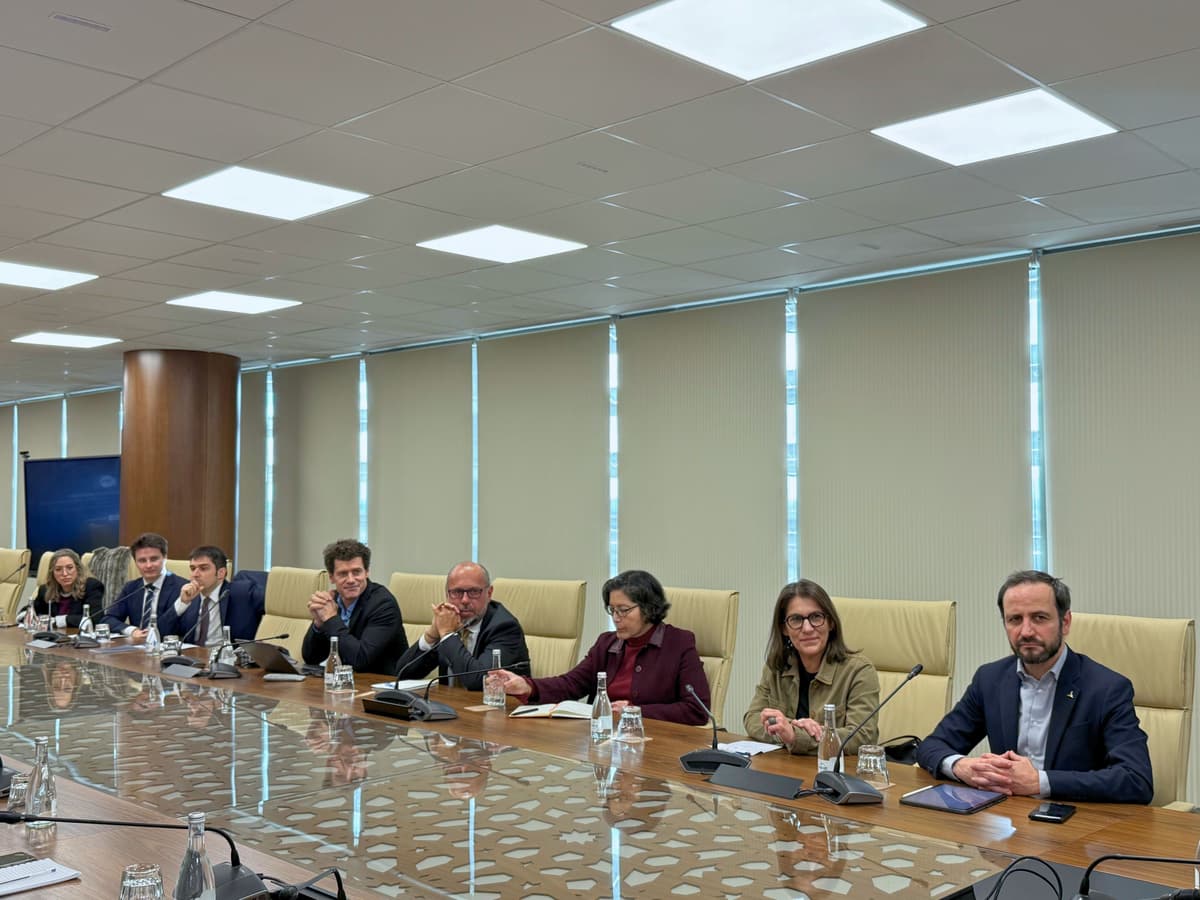
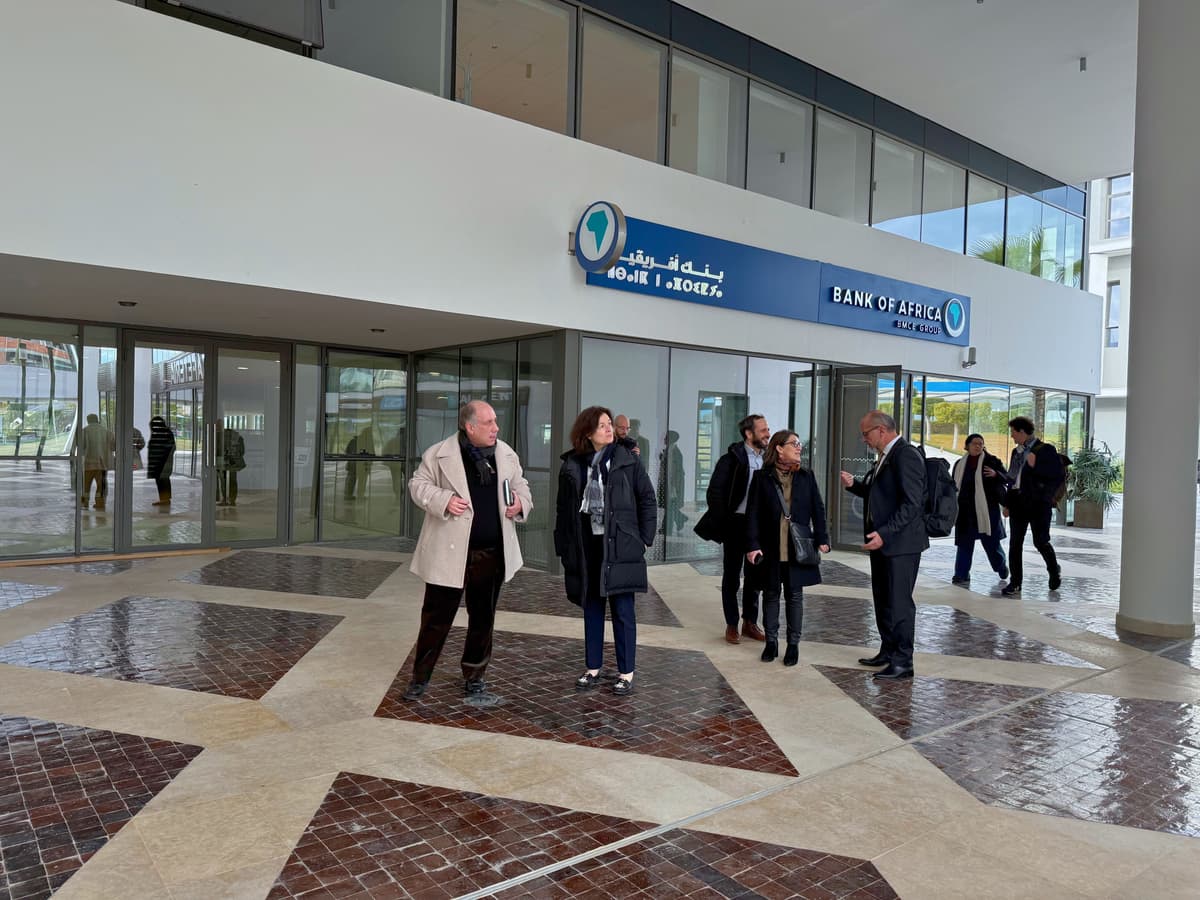
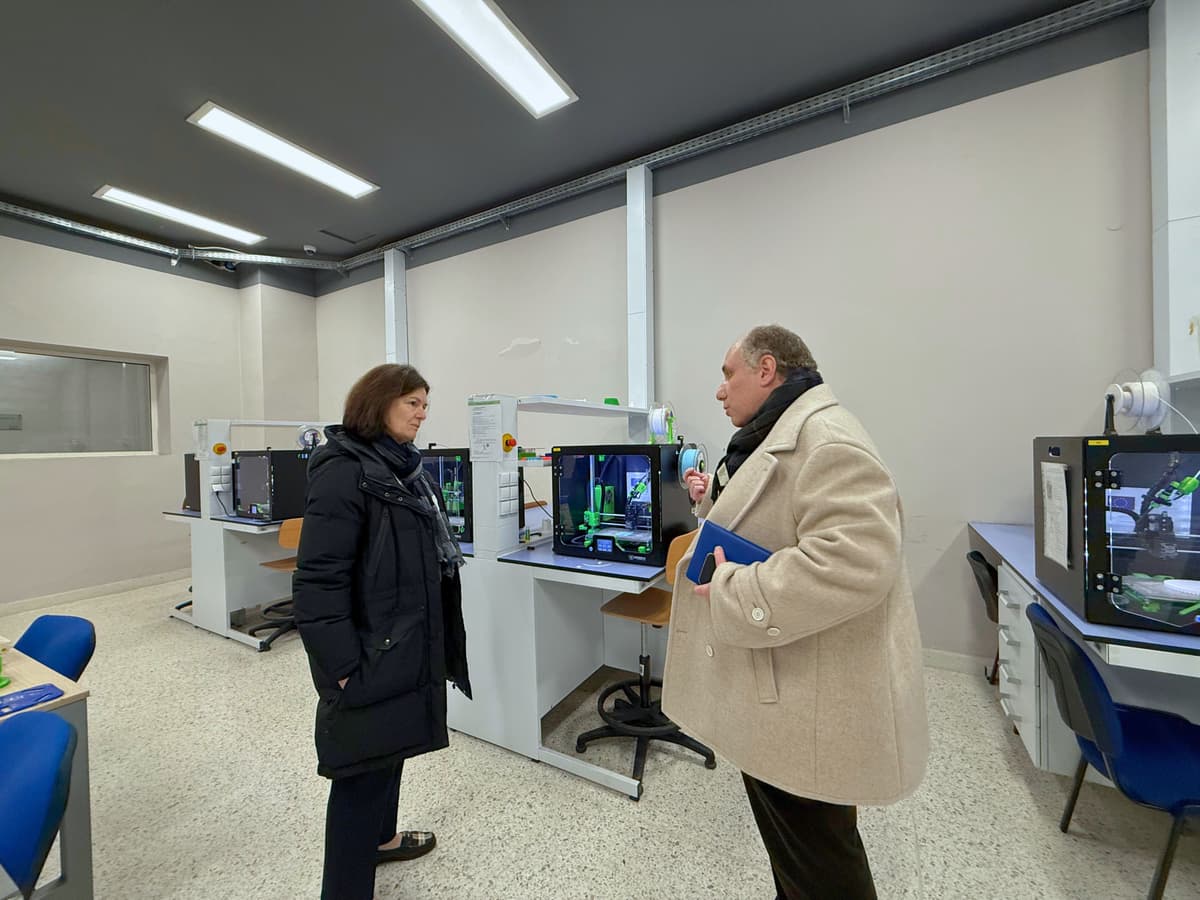
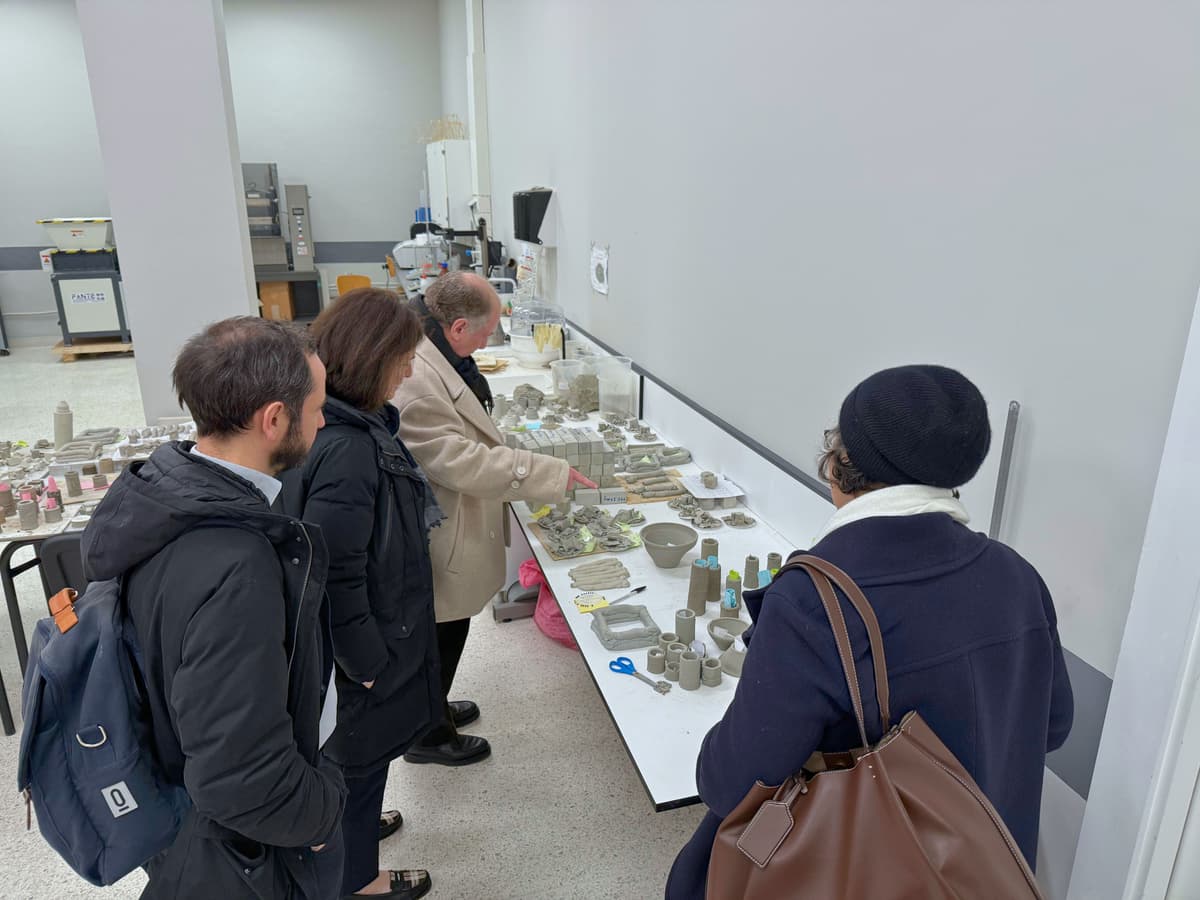
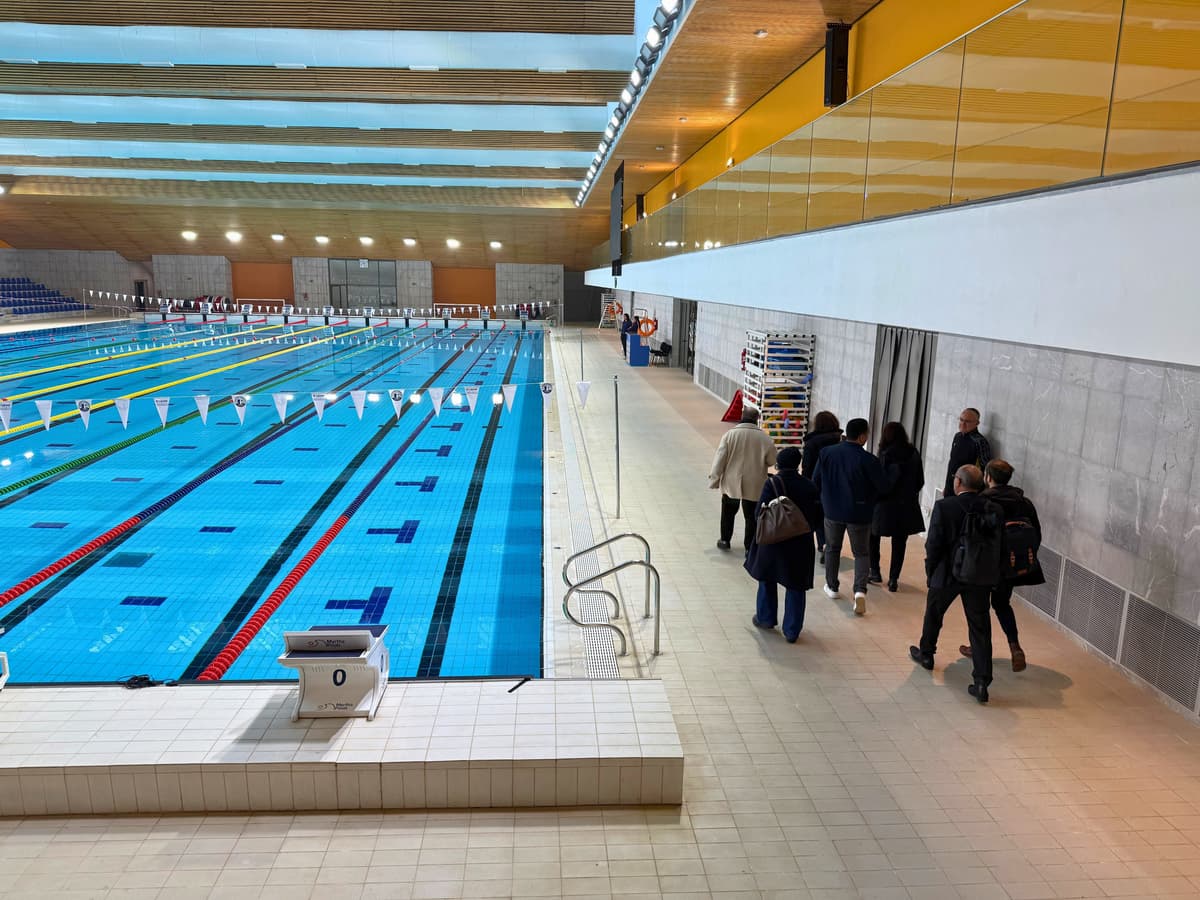
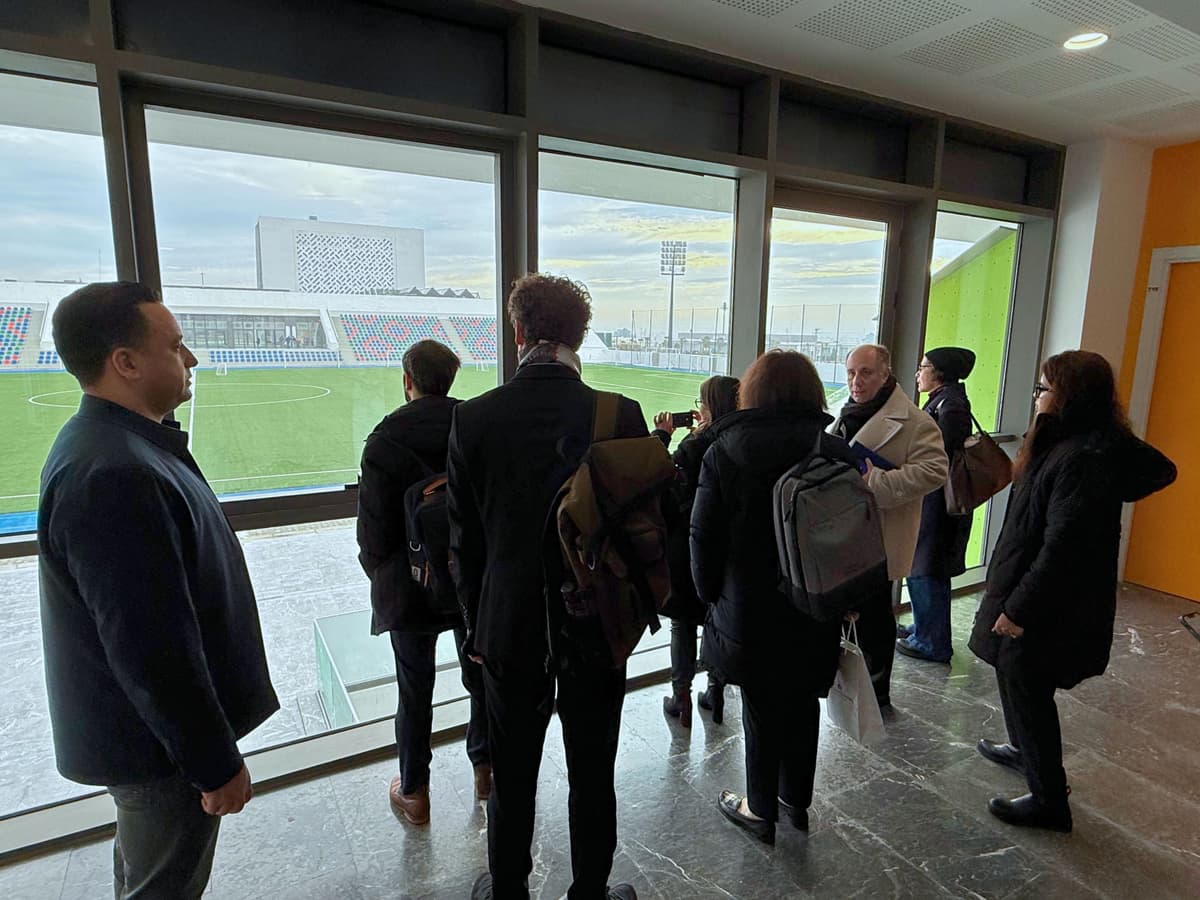
The Euromed University of Fes had the pleasure of welcoming a delegation from Université Paris 1 Panthéon-Sorbonne, led by its President, Prof. Christine Neau-Leduc, on the occasion of an official visit marked by the consolidation of an academic partnership that has, over the years, become a true model of international cooperation.
This meeting with the President of UEMF, Prof. Mostapha Bousmina, provided an opportunity to take stock of the highly positive outcomes of the collaborations already undertaken between the two institutions, particularly through the Master in Business Law program hosted at UEMF. A collaboration that has demonstrated its relevance and the sought-after complementarity for both students and teaching staff.
The satisfaction expressed by both partners reflects the strength of the institutional ties, founded on a shared vision of excellence, high academic standards, and demanding pedagogical governance. It is precisely this shared success that now encourages the two institutions to take a new step by broadening their areas of collaboration.
The two partner universities thus reaffirmed their commitment to expanding cooperation into new, structuring projects, both in scientific research—notably through the recruitment of two post-doctoral researchers—in social innovation, in the development of doctoral theses, and in the creation of new double-degree training programs, particularly in management and in legal and political sciences.
Through this momentum, the two institutions confirm their commitment to building a structuring and high-impact partnership, based on the creation of knowledge, social and political innovation, and the training of talent engaged in the major transitions of our time.
![[Call for Applications] Mobility at](/_next/image?url=https%3A%2F%2Fbackend.ueuromed.org%2Fuploads%2FSite_Mobilite_99ff41c88b.png&w=3840&q=75)
![[Call for Applications] Mobility at the EPF School of Engineering](/_next/image?url=https%3A%2F%2Fbackend.ueuromed.org%2Fuploads%2FSite_Mobilite_1_e5de226c65.png&w=3840&q=75)