Euromed Polytechnic School seminars: The effects of wind on the built environment
Euromed Polytechnic School seminars: The effects of wind on the built environment
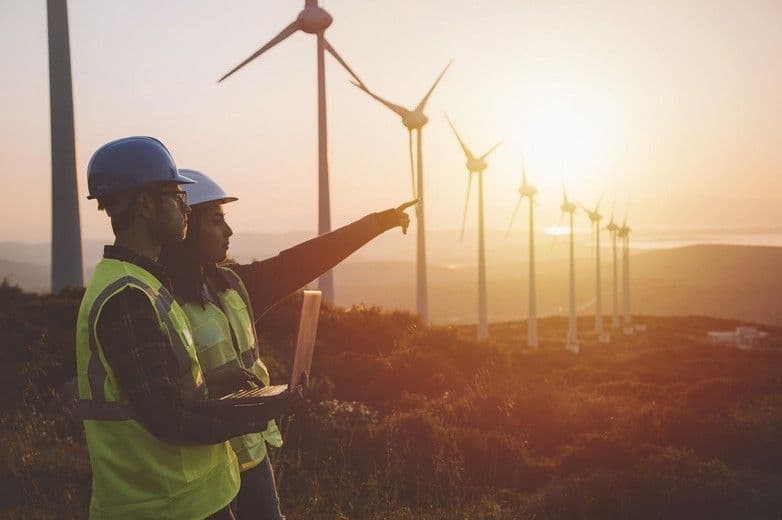
Wind is a meteorological element expressed as kinetic energy that pushes ships and drives wind turbine rotors. It has also been and remains responsible for major disasters and enormous material losses.
At the level of buildings and bridges, wind translates into loads and pressures that impact the design of structures and the comfort of a building or bridge user.
Taking wind into account on structures often goes beyond existing building codes which mainly deal with simple prismatic or aerodynamic forms and rigid structures. Faced with more complex works, modeling the effects of wind is recommended. The studies in question are generally based on boundary-layer wind tunnel tests and, to some extent, on numerical simulations.
Our guest, Prof. José Maria Terrés-Nicoli from the University of Granada in Spain, recipient of the medal of honor from the National College of Engineers of Spain, delivered on March 16, 2022 a precise description of the impact of wind on buildings, bridges and solar energy systems. The importance of taking into account the spatio-temporal nature of atmospheric turbulence on structures was also discussed and the modeling methodologies currently used were presented based on projects and specific cases.