The EMBA Audencia-UEMF group explores in Tangier the levers of competitiveness of the Moroccan automotive industry
The EMBA Audencia-UEMF group explores in Tangier the levers of competitiveness of the Moroccan automotive industry
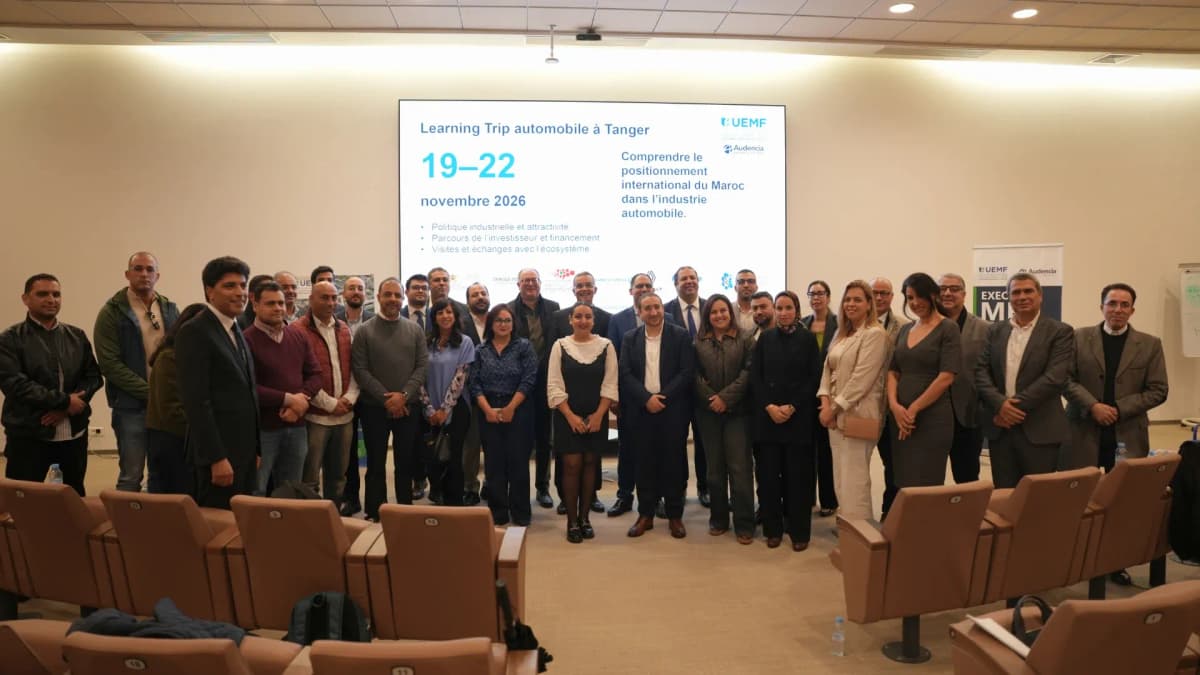
\nAs part of its Executive MBA program developed in partnership with Audencia Business School, the Euromed University of Fez (UEMF) organized, from 19 to 22 November 2026 in Tangier, a Learning Trip dedicated to the Moroccan automotive industrial model. Combining high-level institutional meetings, industrial visits and strategic reflection, this educational experience allowed participants to understand the mechanisms that favored the emergence of an automotive ecosystem competitive at the international level.\n
\nHeld under the theme "The Moroccan automotive industrial model: strategic vision, industrial integration and international competitiveness", this immersion is part of the experiential learning approach of the Audencia–UEMF Executive MBA, based on the complementarity between academic teaching, observation of professional practices and analysis of the strategic challenges faced by organizations.\n
\nThrough a program combining institutional actors, economic leaders, industrialists and logistics experts, participants were invited to examine the different components of the Moroccan automotive model, from industrial policy orientations and investor support mechanisms to production requirements, local integration and international competitiveness.\n
An institutional immersion at the heart of Morocco's strategic choices
The Learning Trip began on Thursday 19 November with an institutional morning session held in the auditorium of Tanger Med Special Agency (TMSA), bringing together several senior officials involved in the development of the Moroccan industrial ecosystem.\n
\nMr. Ahmed BENNIS, General Director of Tanger Med Zones, presented the missions, governance and operation of the Tanger Med hub, highlighting its role in the competitiveness of the regional industrial and logistics environment.\n
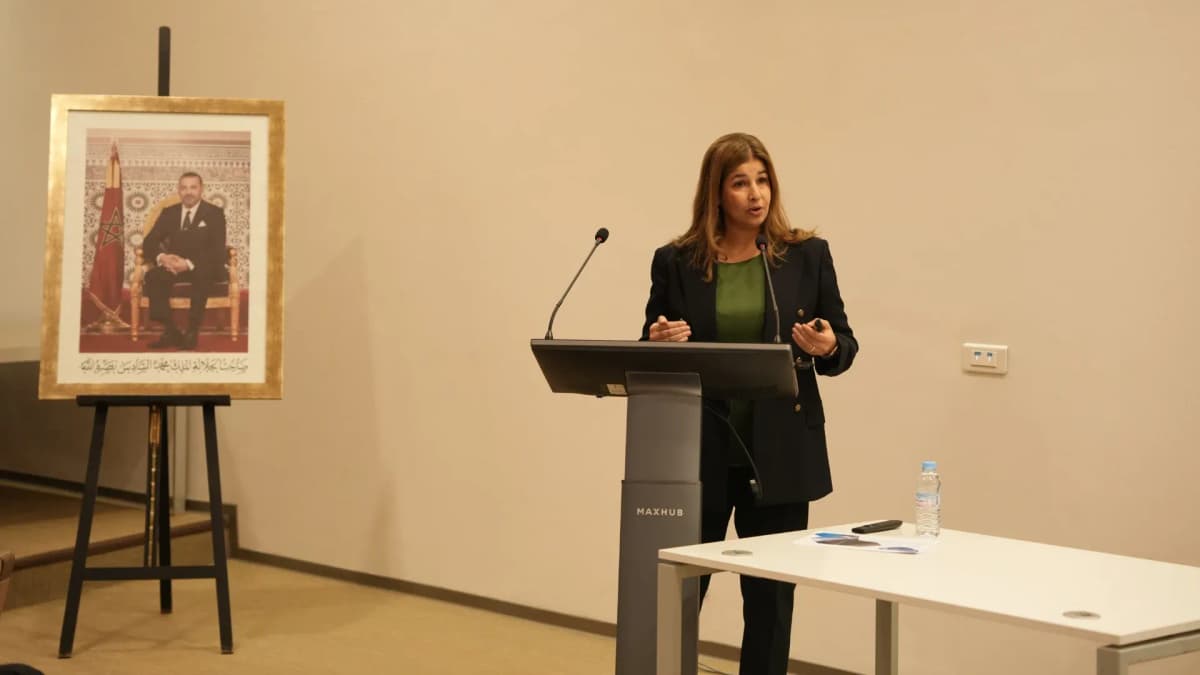
\nMs. Ayda FATHI, Director of the Automotive Industry at the Ministry of Industry and Trade, dedicated her presentation to the genesis of the Moroccan automotive model, the strategic choices that accompanied its development and the prospects for the sector's evolution.\n
\nThe issue of territorial attractiveness and investor support was addressed by Mr. Amine EL HARTI, Director of the Economic Impetus and Territorial Offer division at the Tanger-Tetouan-Al Hoceima Regional Investment Center, through a presentation of the investor's journey, from the decision to locate to project development.\n
\nFor his part, Mr. Ahmed BENYAHYA, Deputy General Director and Head of Financial Institutions within the Bank of Africa group, discussed the financing challenges of industry, suppliers and the energy transition.\n
\nThis morning session also featured an intervention by Mr. Taoufik OUAZZANI CHAHDI, Advisor to the President of UEMF, devoted to the missions, values, achievements and prospects of the University, as well as a presentation of the various components of the Audencia–UEMF Executive MBA.\n
\nThe complementarity of these presentations highlighted the importance of a coordinated approach combining industrial vision, institutional governance, investment attractiveness, financing and skills development. It also provided participants with an initial analytical framework to be confronted with field realities during the subsequent visits.\n
Tanger Med: understanding the strategic role of infrastructure and logistics
Thursday afternoon was devoted to discovering the Tanger Med port complex and its logistics environment, essential components of the international connectivity of the Moroccan industrial ecosystem.\n
\nParticipants benefited from an institutional presentation given by Mr. Anas HALHAL, Director of terminals in charge of vehicles, bulk and general cargo as well as hydrocarbons, before continuing exchanges during a visit to the port complex.\n
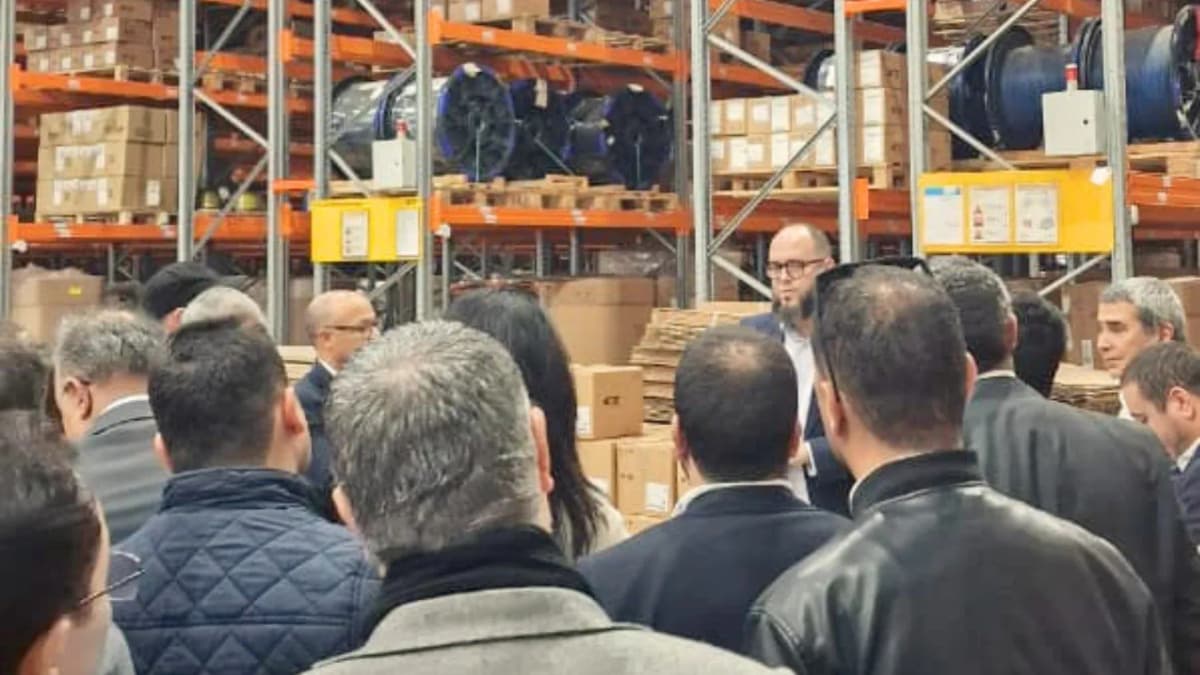
\nThe program continued with a visit to the Med Hub logistics zone and the company TE Connectivity, with the participation of Mr. Ahmed Harmas, Director of operations at Med Hub.\n
\nThis sequence broadened the analysis of industrial competitiveness to include the infrastructures and services that support production activities. It notably put into perspective the role of international connectivity, flow coordination and logistics integration in the functioning of global value chains.\n
\nBy linking port and logistics issues to the needs of industrialists, this stage provided additional insight into the factors that contribute to the attractiveness and performance of the Moroccan automotive ecosystem.\n
Renault Tangier: an immersion in operational excellence and automotive production
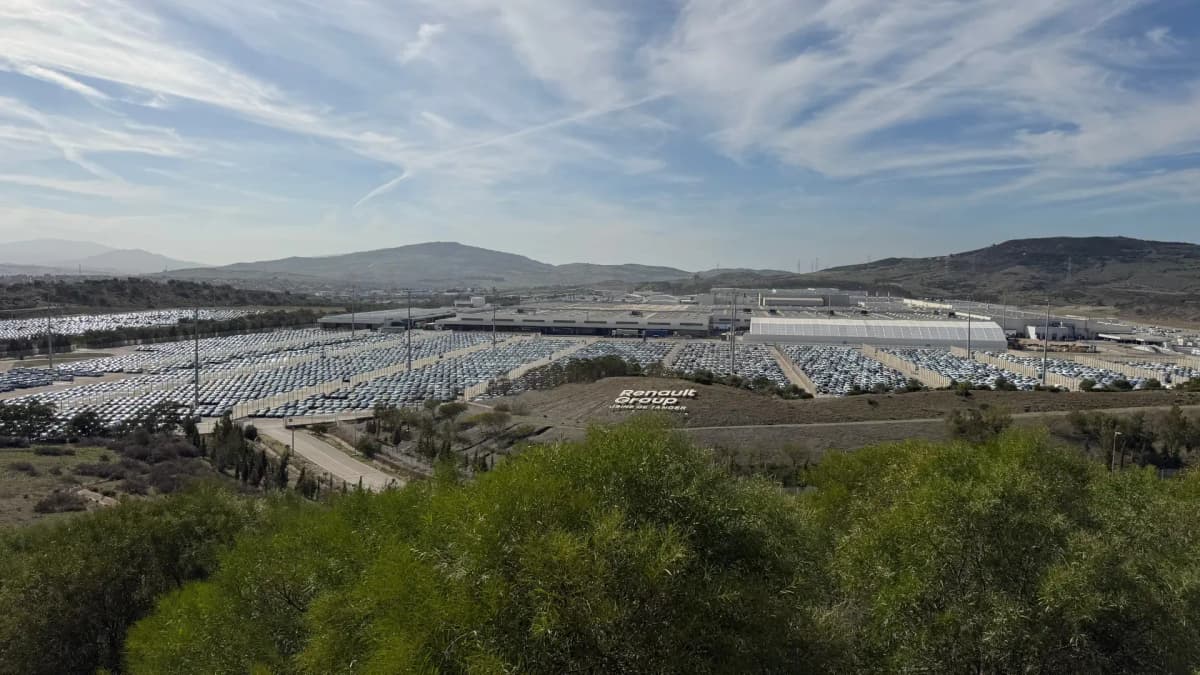
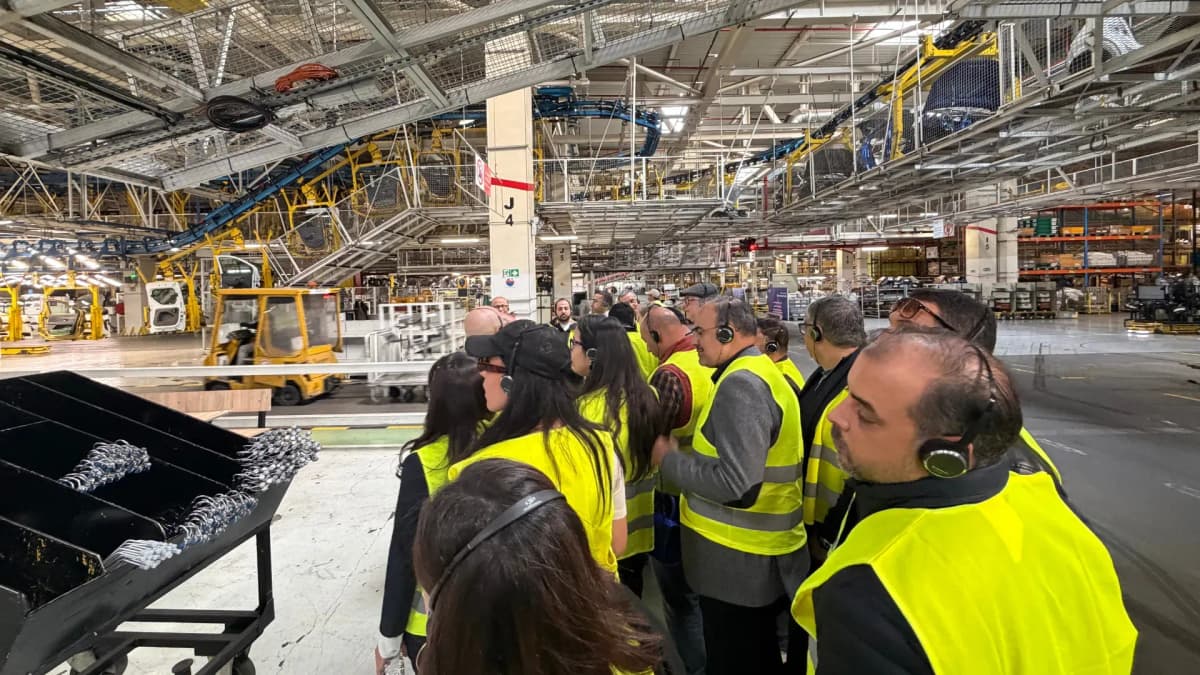
On Friday 20 November, participants continued their program at the Renault Tangier plant, located in Melloussa, to understand the operation of an automobile production site and the structuring role of a manufacturer in the development of an industrial ecosystem.\n
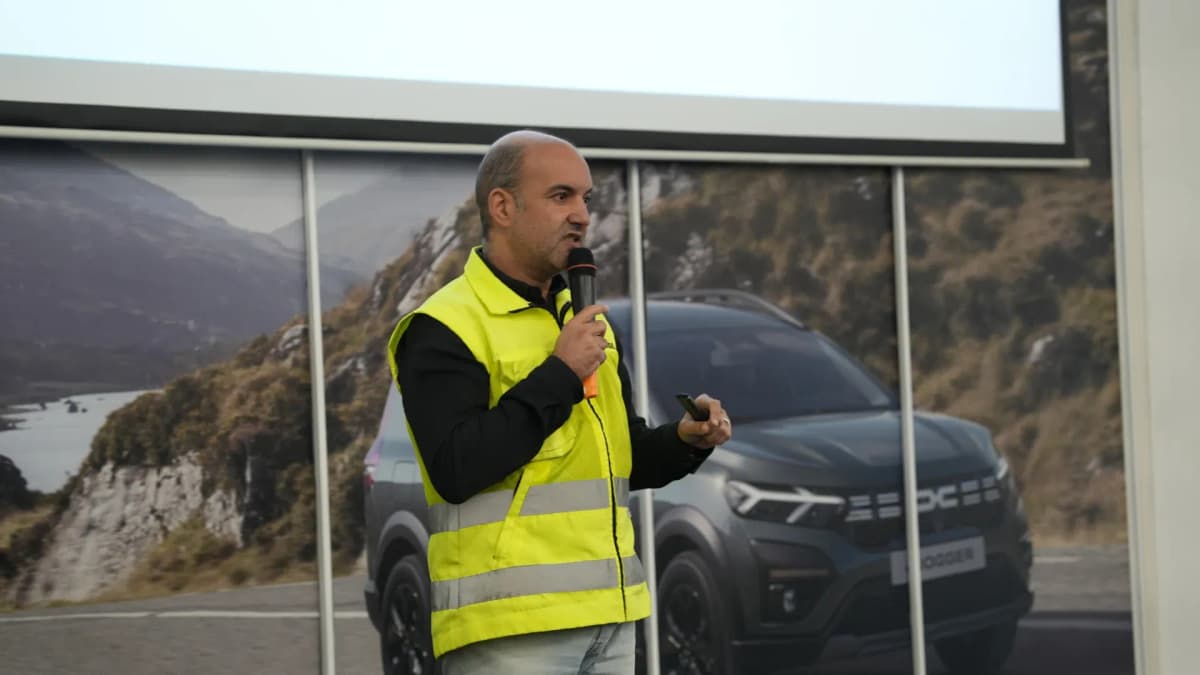
Welcomed by Mr. Mohammed Nidar BAKKALI, Director of Operations Renault Tanger & Casablanca, they benefited from a presentation of Renault Group Maroc and discussions focusing in particular on industrial competitiveness, local integration, exports and the challenges linked to technological developments in the sector, especially in the areas of hybridization and electrification.
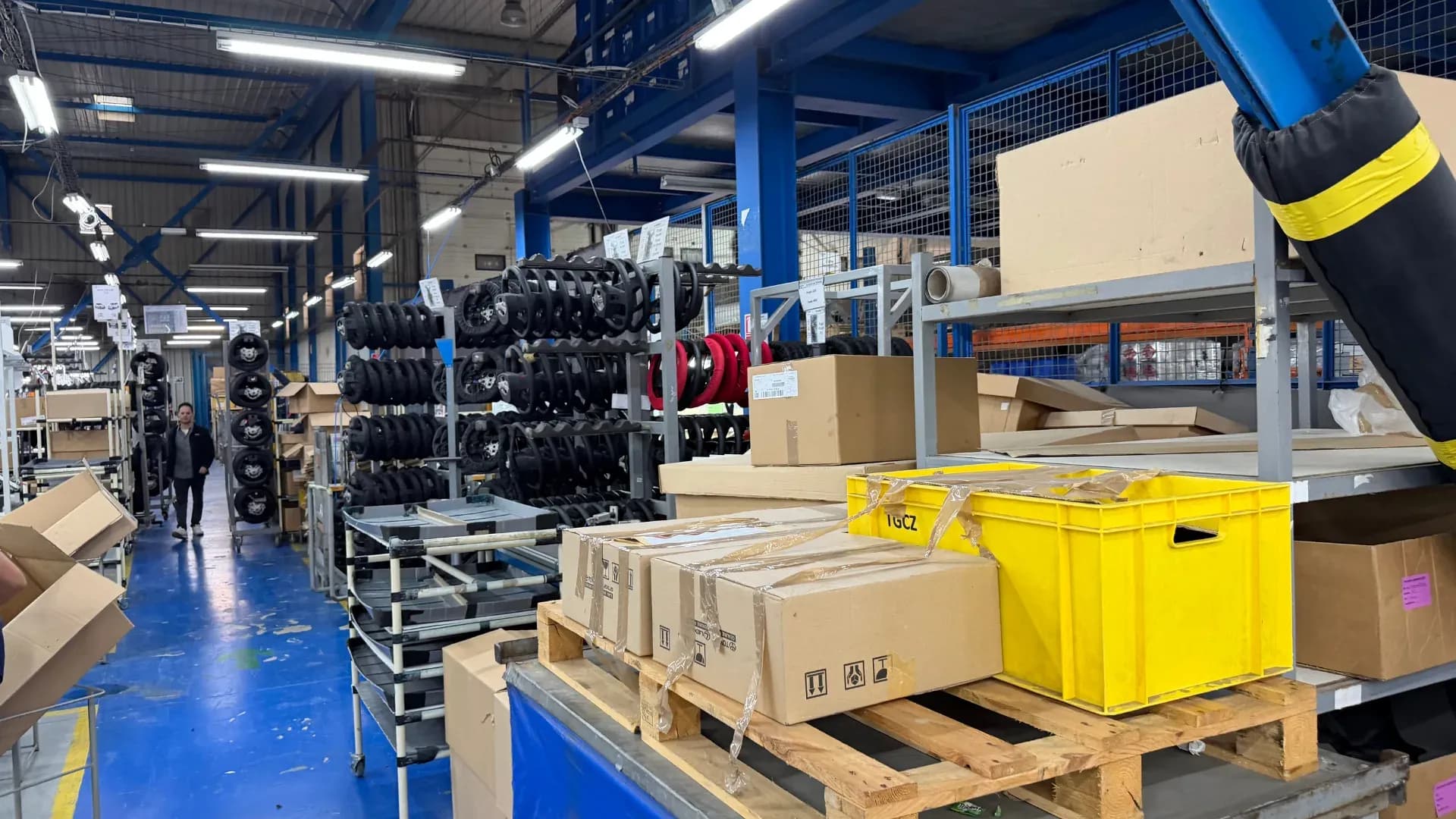
The visit to the industrial facilities allowed them to discover several stages of automobile manufacturing, from stamping to bodywork and assembly, as well as quality control systems and the organization of logistics operations, notably rail operations.
Beyond discovering the production processes, this immersion provided a concrete field of observation of the coordination, performance, quality and organizational requirements that characterize the automotive industry.
It also made it possible to place the reflection in a broader perspective, that of the role of a manufacturer in structuring a network of suppliers, skills, services and infrastructure contributing to the development of an integrated industrial sector.
Polydesign Systems: equipment manufacturers at the heart of industrial value chains
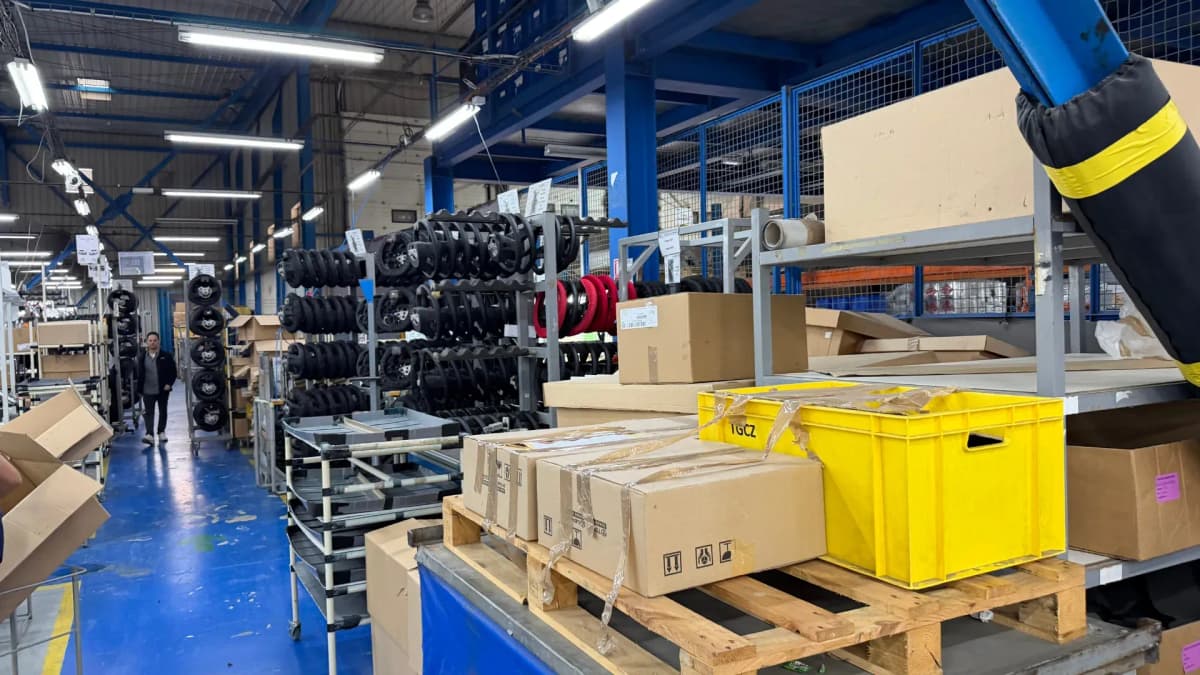
Following this visit, the participants went to Polydesign Systems to deepen their understanding of the role of equipment manufacturers in the Moroccan automotive ecosystem.
This meeting was held in the presence of Mr. Yassine HALABI, Supply Chain Manager, and Mr. FAROUK Jaber, Deputy General Manager, who supported the discussions and the tour of the company’s facilities.
The visit made it possible to address the place of suppliers and subcontractors in industrial organization, as well as the challenges of coordinating supply chains, quality, responsiveness and integration into international production networks.
In addition to the immersion at Renault, this stop allowed participants to broaden their reading of the Moroccan automotive model by focusing on the interactions between manufacturers and equipment suppliers, and more broadly on the conditions necessary for the development of a competitive industrial fabric.
A pedagogical approach based on observation, analysis and perspective-taking
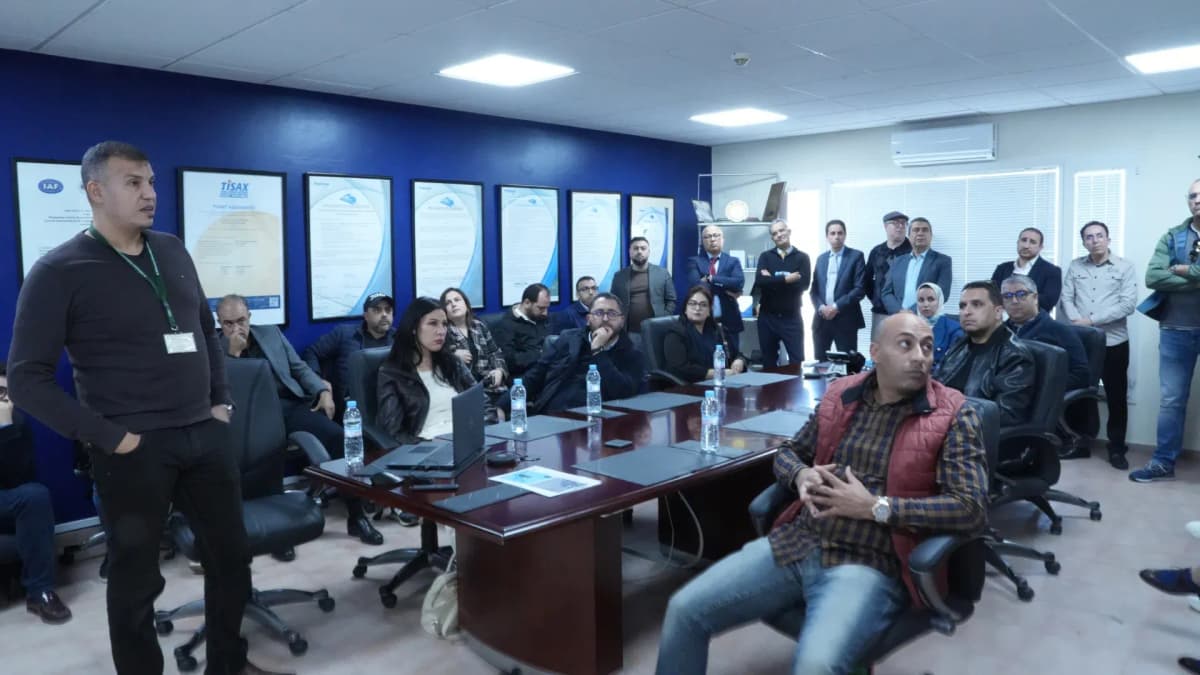
The final academic day of the Learning Trip, held on Saturday 21 November at the headquarters of the Chamber of Commerce, Industry and Services of the Tanger-Tétouan-Al Hoceima region, was devoted to debriefing and putting into perspective the lessons learned from the various visits.
Led by Mr. Taoufik OUAZZANI CHAHDI, Coordinator of the Executive MBA program, this session made it possible to revisit the pedagogical approach of the study trip and to engage in a collective reflection on the key success factors of the Moroccan automotive model, the challenges facing the sector and the lessons that could be transferred to other professional contexts.
This approach is based on a methodological progression combining four complementary dimensions: understanding, observing, analyzing and transferring.
Institutional contributions help build an initial interpretive framework; field visits offer the opportunity to confront this understanding with operational realities; collective analysis promotes the identification of interactions, success levers and vulnerabilities; finally, managerial reflection aims to draw lessons that can be transferred to organizations.
The academic work associated with this approach is organized around several cross-cutting axes, notably institutional governance, investment attractiveness, industrial excellence, local integration, human capital, innovation and sustainability.
The pedagogical challenge is thus to go beyond one-off observation to develop a capacity for strategic analysis based on concrete situations and on the confrontation of different perspectives.
An experience serving training closely connected to the economic world
Through this Learning Trip, the Executive MBA Audencia–UEMF offered its participants an experience combining the quality of institutional meetings, access to industrial and logistical environments and a structured approach to strategic reflection.
Université Euromed de Fès wishes to express its sincere thanks to all the institutions, companies and organizations that contributed to the success of this initiative: TMSA and Tanger Med Zones, the Ministry of Industry and Trade, the Regional Investment Center Tanger-Tétouan-Al Hoceïma, Bank of Africa, Tanger Med Port, Med Hub, TE Connectivity, Renault Group Maroc, Polydesign Systems and the Chamber of Commerce, Industry and Services of the Tanger-Tétouan-Al Hoceima region.
The University also thanks all the speakers for their availability, the quality of their contributions and the richness of the exchanges, as well as the teams mobilized for the preparation and smooth running of this study trip.
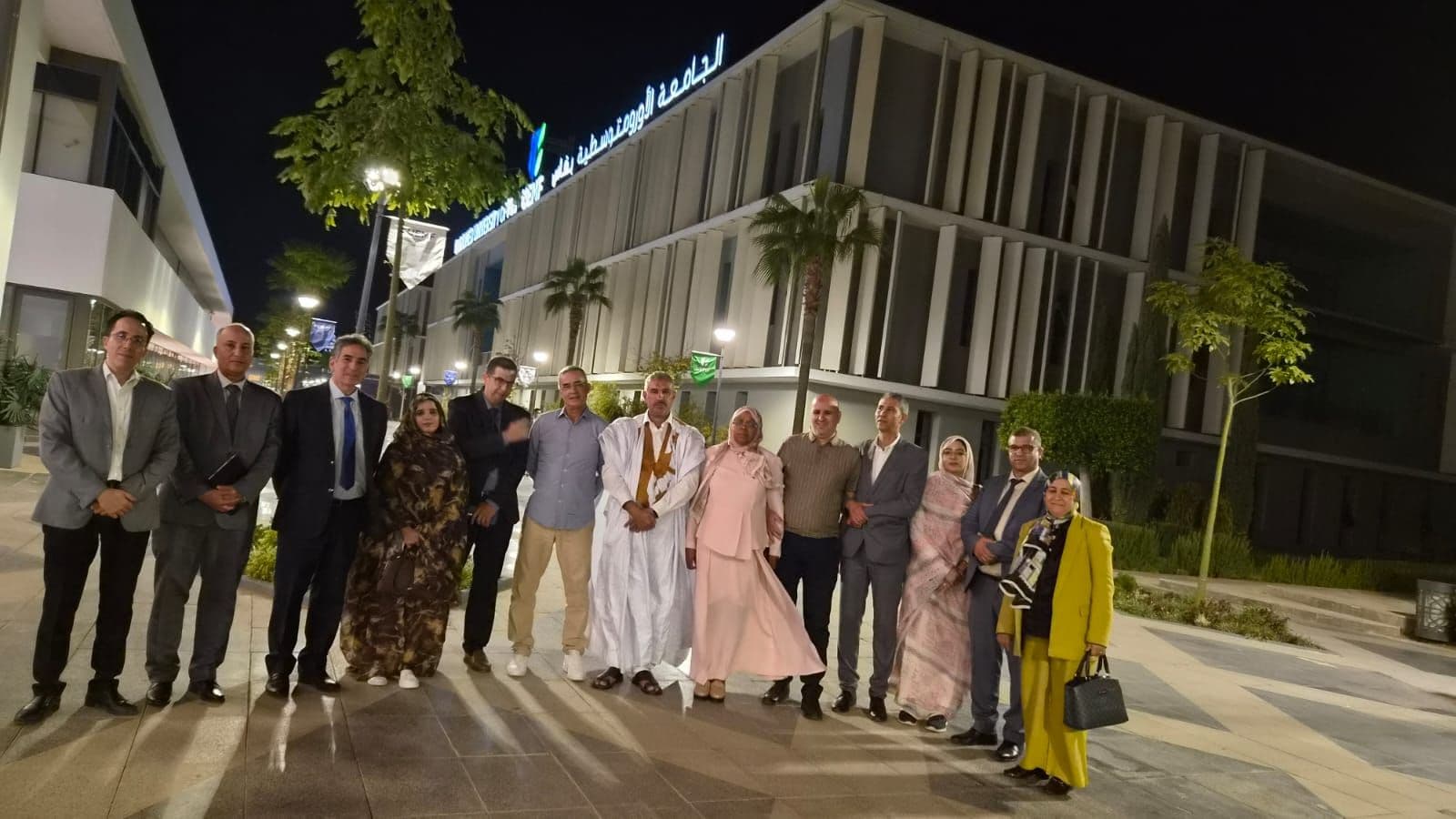
Special recognition is extended to the participants of the Executive MBA Audencia–UEMF, whose commitment, curiosity and active participation contributed to the collective dynamic of this experience.
By combining academic reflection, meetings with decision-makers and immersion within leading industrial organizations, this Learning Trip reflects the shared desire of UEMF and Audencia Business School to develop an Executive MBA program grounded in economic realities and contemporary strategic challenges.