UEMF questions the professional trajectories of women executives in Morocco with Prof. Rhalimi Abdessamad
UEMF questions the professional trajectories of women executives in Morocco with Prof. Rhalimi Abdessamad
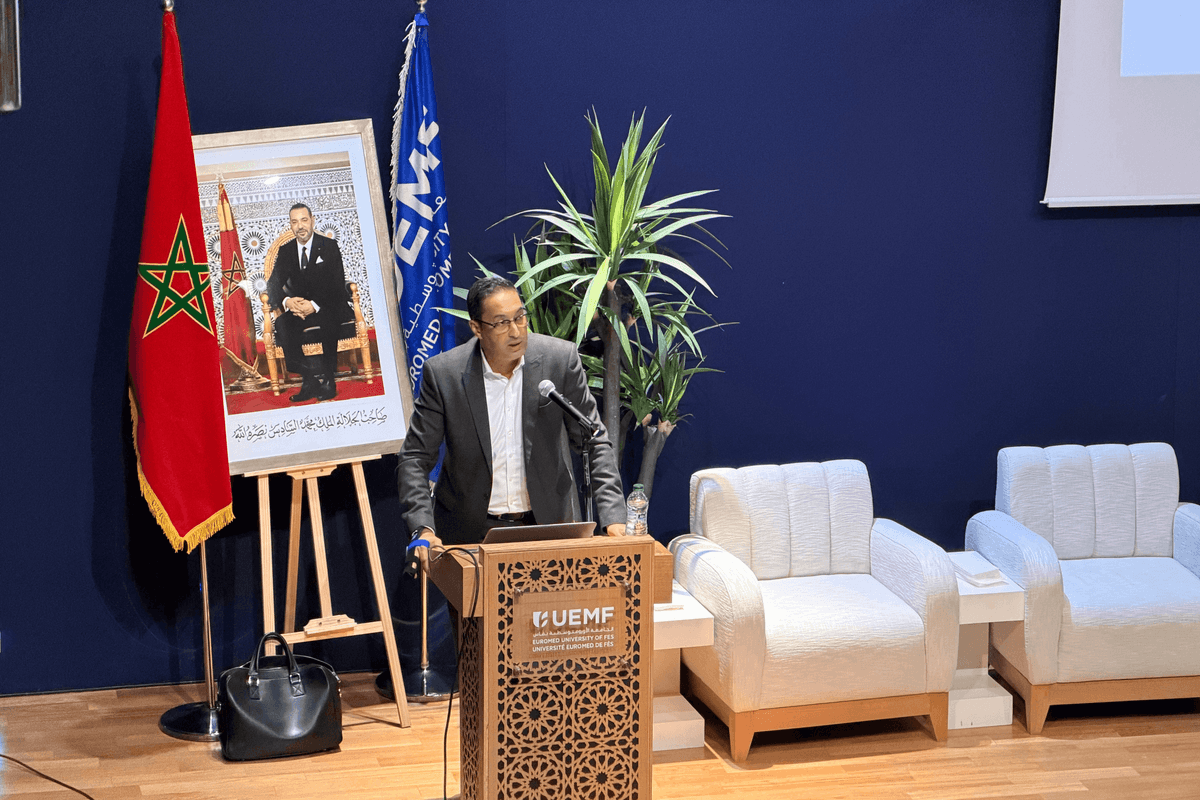
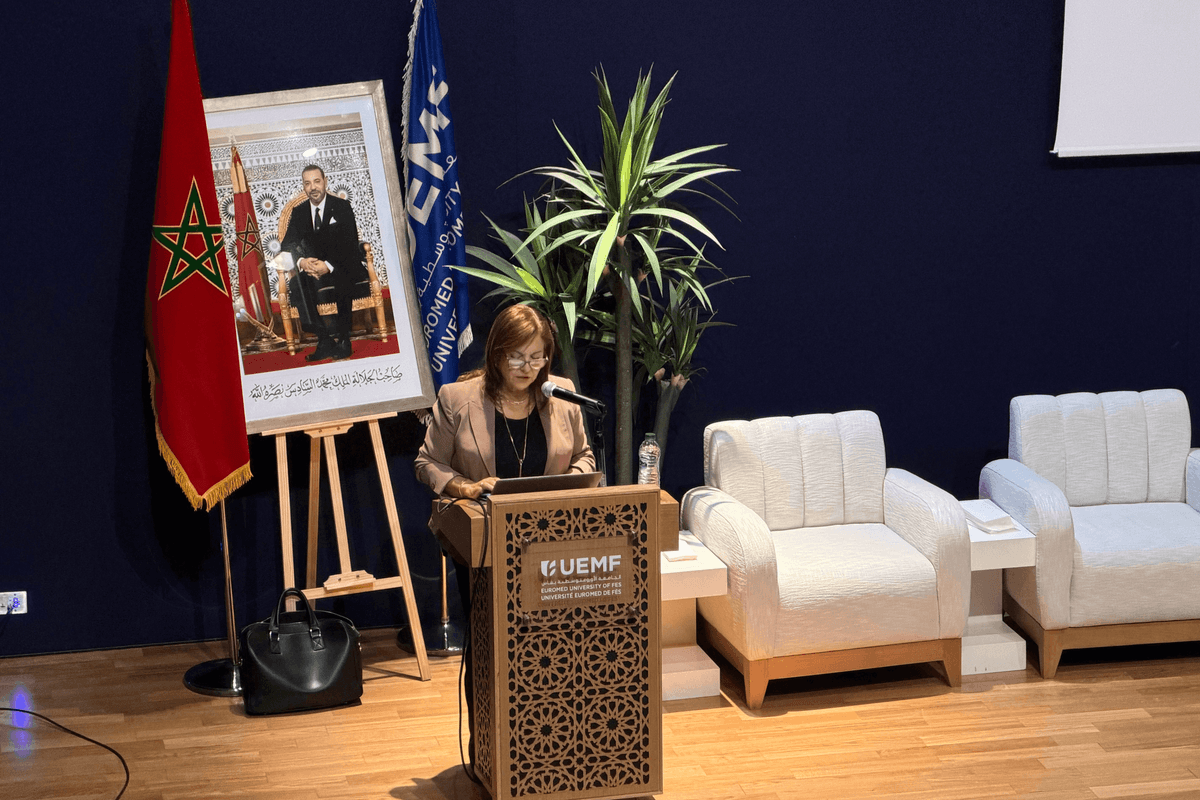
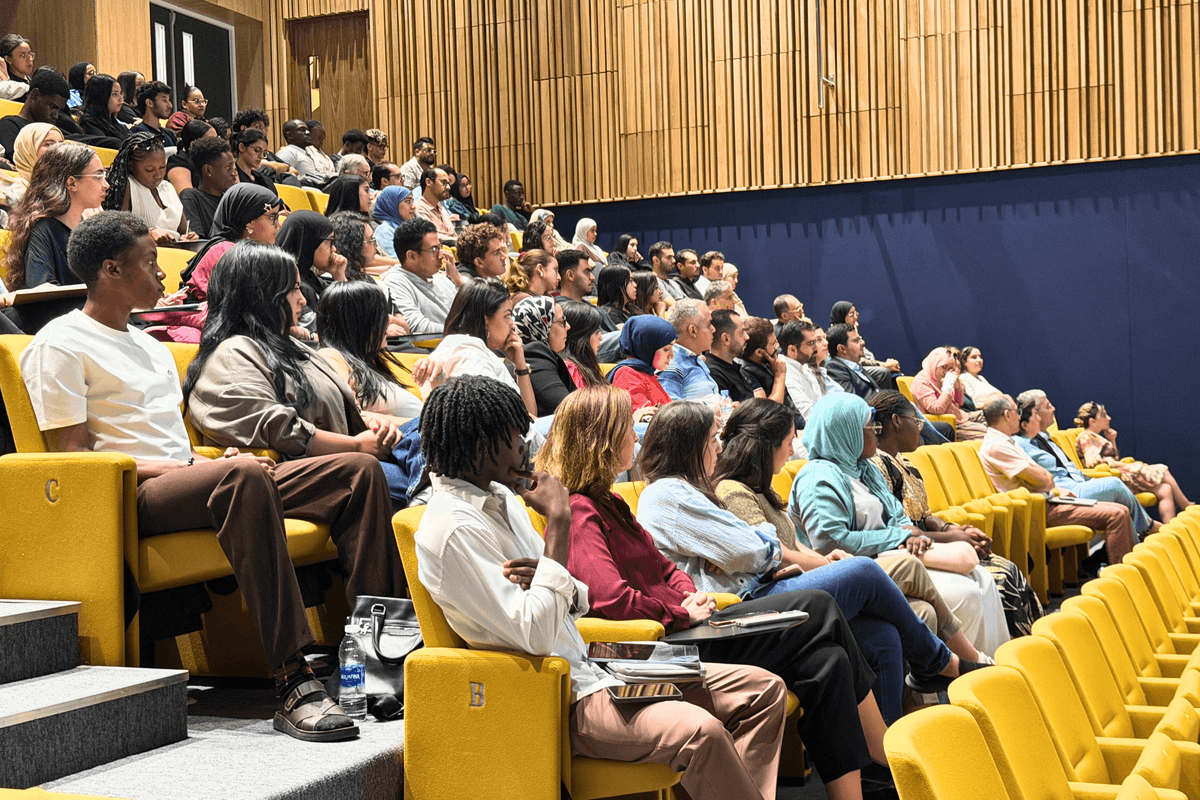
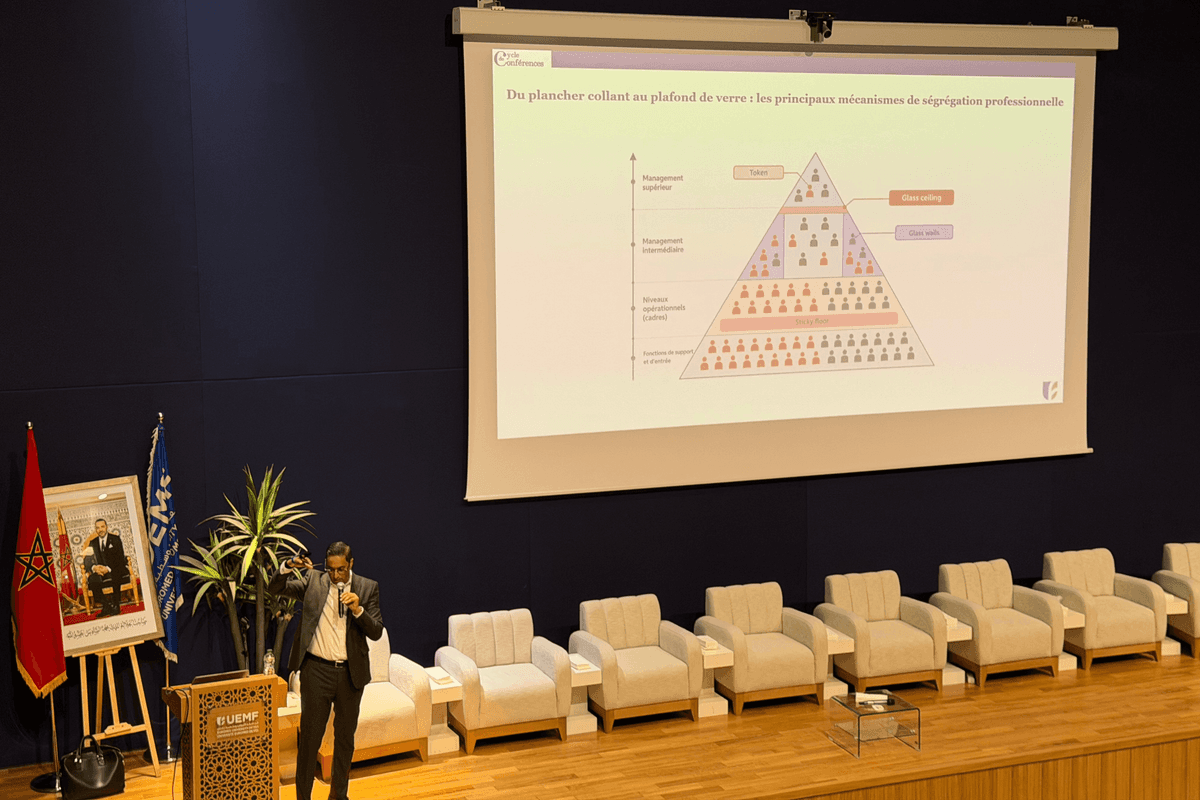
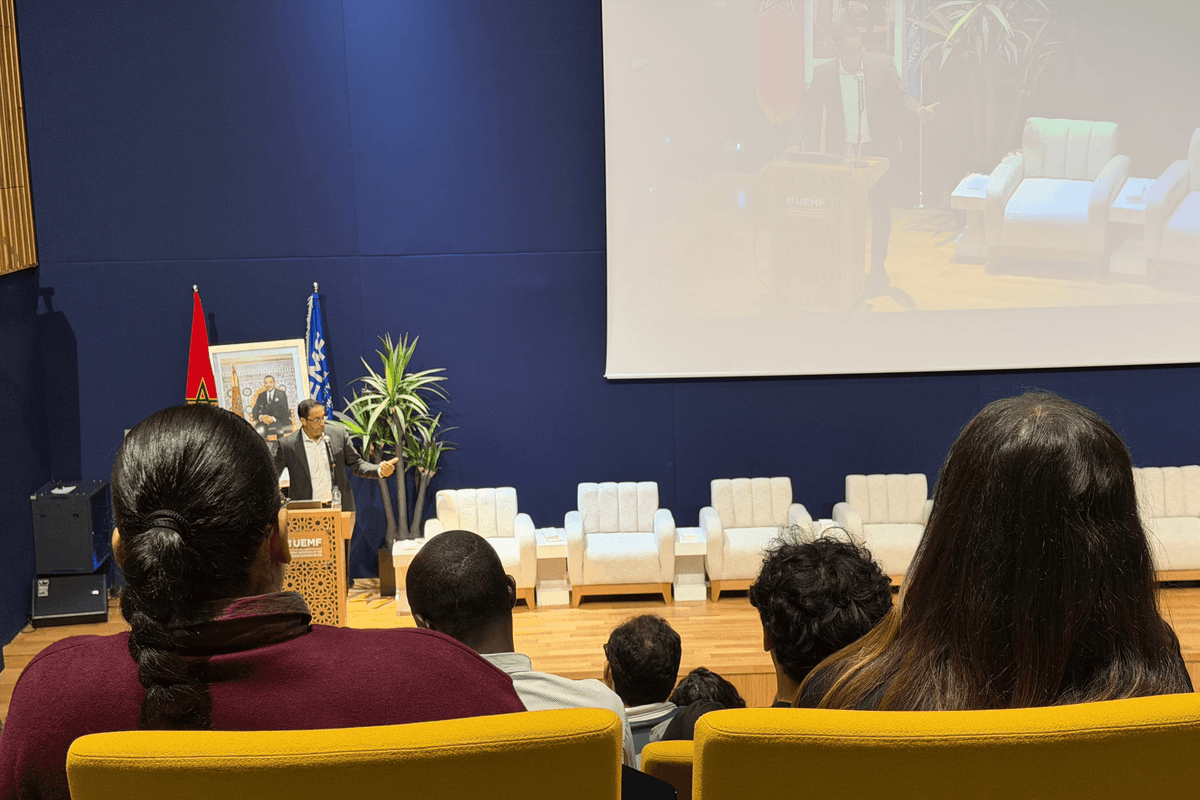
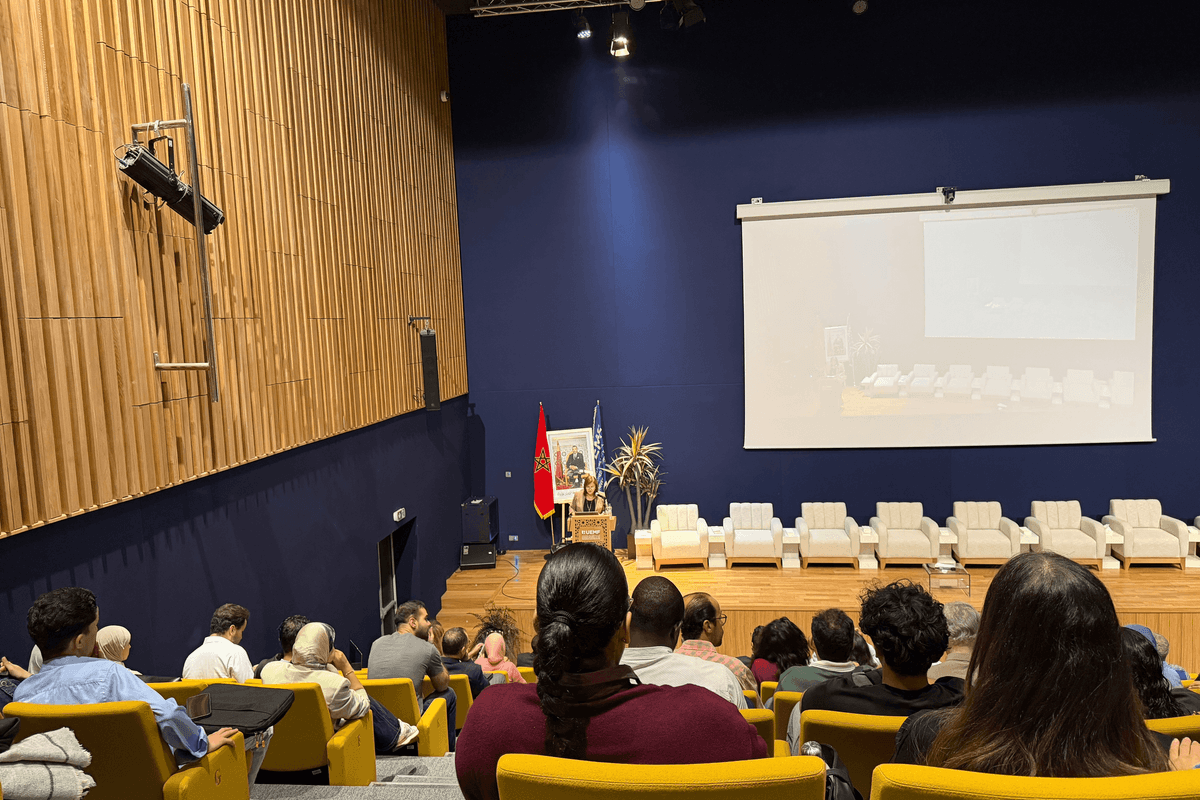
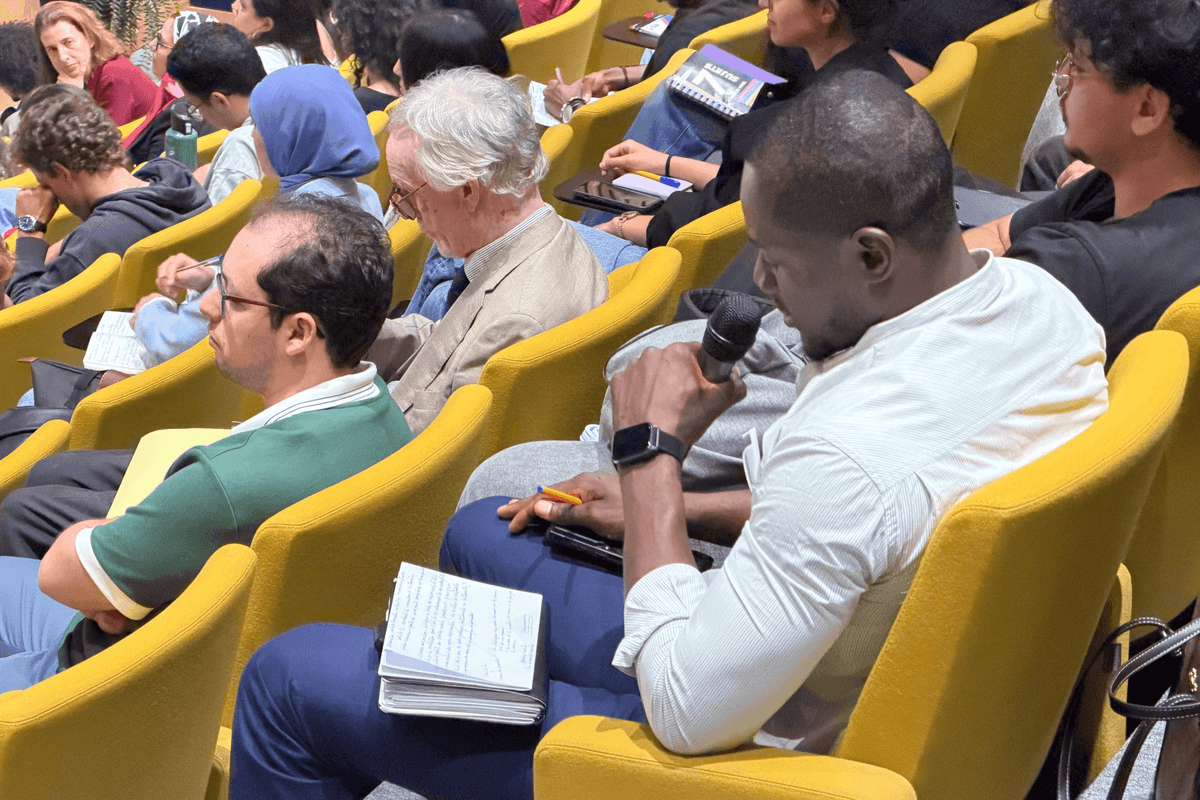
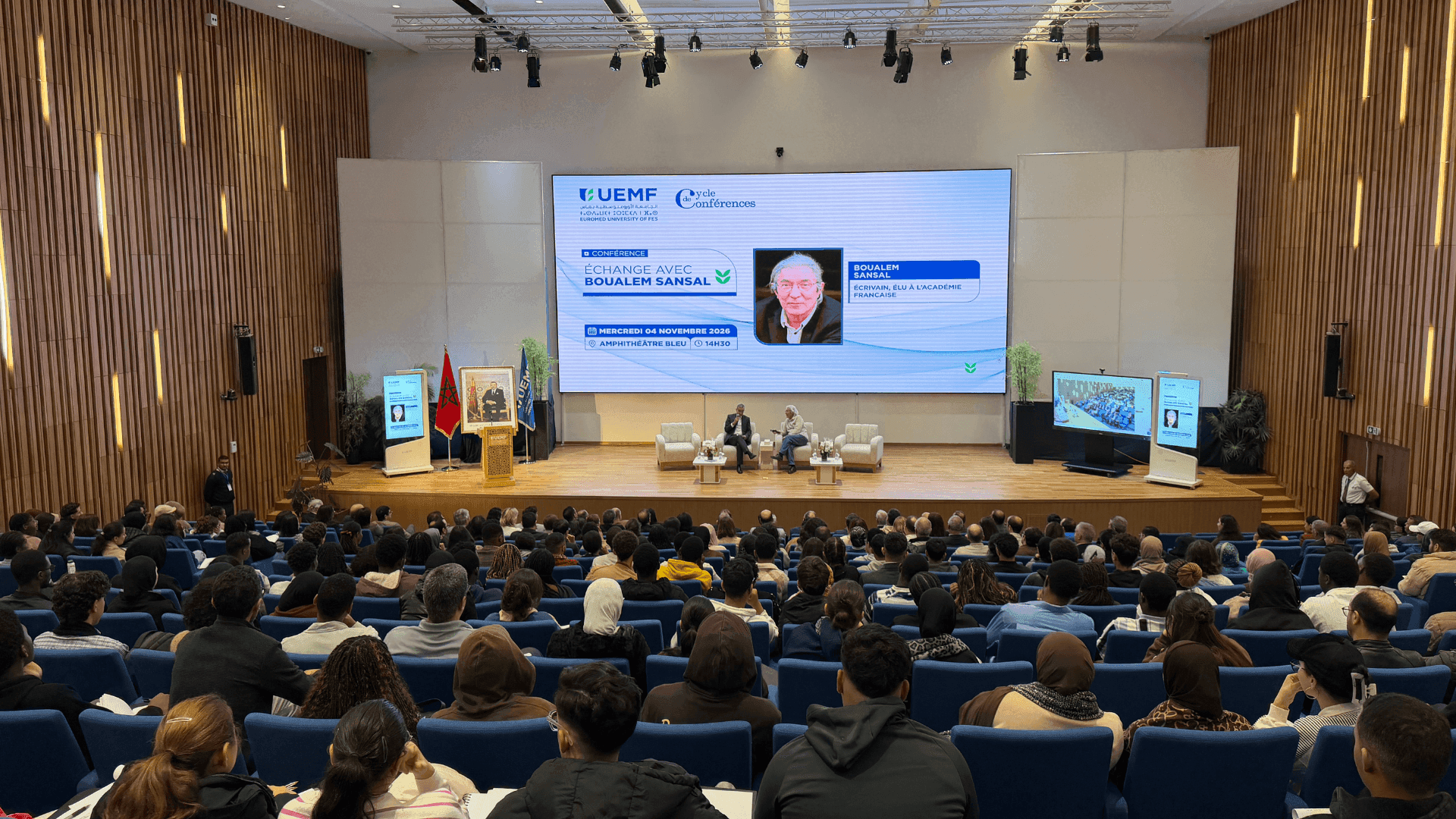
Within the framework of its Lecture Series 2026-2027, the Euromed University of Fes devoted a new meeting to the evolution of women's careers and the place of women in positions of responsibility. Led by Prof. Rhalimi Abdessamad, Director of the Euromed Business School (EBS), the conference entitled "From the sticky floor to the glass ceiling: the meanders of the careers of women managers in Morocco" offered both an academic and forward-looking reading of the transformations currently affecting the professional world.
Far from being limited to the question of women's representation in organizations, this meeting made it possible to question the conditions in which professional trajectories are built, models of leadership and modes of access to responsibilities. A particularly timely reflection in a Morocco that has for several years been engaged in public policies aimed at strengthening women's economic empowerment, their participation in decision-making and equal opportunities.
From training to responsibility: understanding trajectories
One contribution of the conference was to put into perspective the advancement of women in higher education with their representation at different levels of responsibility. The analysis of career paths shows that the issue is no longer solely about access to education or qualifications, but also about the ability to turn these achievements into professional opportunities and leadership pathways.
Through the metaphor of the “pipeline”, Prof. Rhalimi thus invited us to observe the different stages of a career and the mechanisms that can influence women's progression: access to the first job, professional mobility, transition to supervisory roles, managerial functions and then access to decision-making bodies. This approach shifts the focus: it is not only a matter of measuring women's presence at a given moment, but of understanding how their trajectories are built over time.
This reading finds particular resonance in the university sector, where the progression of women in training and research pathways constitutes an important indicator of societal evolution. It also calls on higher education institutions to reflect on their own role in preparing new generations of professionals, researchers, leaders and decision-makers.
Evolving representations of leadership
The conference also addressed the representations that still accompany management and leadership roles. The qualities traditionally associated with leaders (authority, ambition, self-assertion, decision-making ability or availability) can be perceived differently depending on profiles and contribute to shaping career paths.
This reflection especially opens the way to a broader conception of leadership, based on the diversity of styles, skills and experiences. It aligns with current organizational transformations, which place increasing importance on profile diversity, quality of management, listening and the ability to unite people.
In this context, the question of gender balance takes on a dimension that goes beyond mere issues of representation. It also constitutes an issue of performance and innovation, by allowing organizations to mobilize a diversity of skills, perspectives and decision-making modes.
The University, a space to think about and support these transformations
It is precisely within this reflective space that UEMF intends to inscribe its action. By bringing together teacher-researchers, students and the university community around issues that cross society, the University affirms its vocation to train profiles capable of understanding the changes in their environment and of fully taking part in them.
Through its academic model, international openness and commitment to social responsibility and sustainable development, the Euromed University of Fes gives significant importance to issues related to inclusion, diversity and responsibility. The holding of this conference therefore forms part of a broader approach: to train, question and prepare the actors who will contribute to the organizations of tomorrow.
Beyond the question of women's careers, the discussions thus opened a reflection on the evolution of organizations and on the need to evolve, with them, representations of leadership and professional success. A reflection that finds all its relevance in a university oriented towards the transformations of its environment and towards the construction of a future based on competence, diversity and openness.
With this new conference, UEMF continues its Conference Cycle as a space for dialogue and reflection on the major changes shaping society and the professional world.